Wind & drop comparator
Put two or three match loads side by side and see drift at 600 and 1000 yards. Wind is what separates match ammunition. Drop is just a dial setting.
Open the tool →Affiliate site — we earn a commission on qualifying purchases from Ammunition Depot. Prices and availability are shown on their site, not ours.

Tighter manufacturing tolerances make ammunition more consistent. Consistency is what puts rounds in the same hole at distance. What it does not do is guarantee a group size in your rifle — so we compare loads on the measurements that actually decide hits, and tell you where the numbers stop mattering.
Most precision-rifle questions have a number at the bottom of them. These do the number, show the working, and skip the part where you read nine hundred words first.
Put two or three match loads side by side and see drift at 600 and 1000 yards. Wind is what separates match ammunition. Drop is just a dial setting.
Open the tool →Objective diameter, tube size and rail height in — minimum ring height out, with the clearance drawn to scale.
Open the tool →Whether that heavy bullet will stabilise in your barrel, before you buy 500 rounds of it. Miller stability factor.
Open the tool →What match ammunition costs per shot, per practice session, and per season once you split practice from match loads.
Open the tool →Everything here is organised by what you are trying to decide, not by what the manufacturer wants to sell you this quarter.
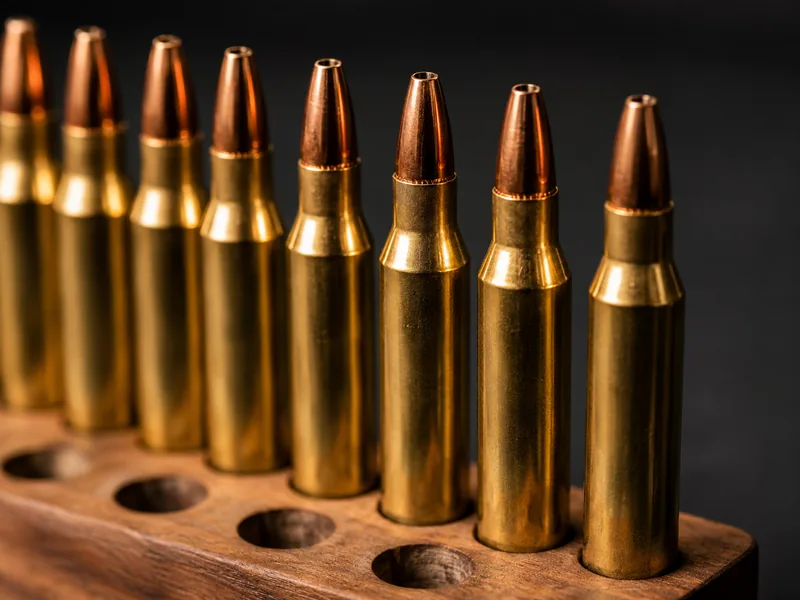
Factory match loads by cartridge and bullet weight, and what actually separates them.
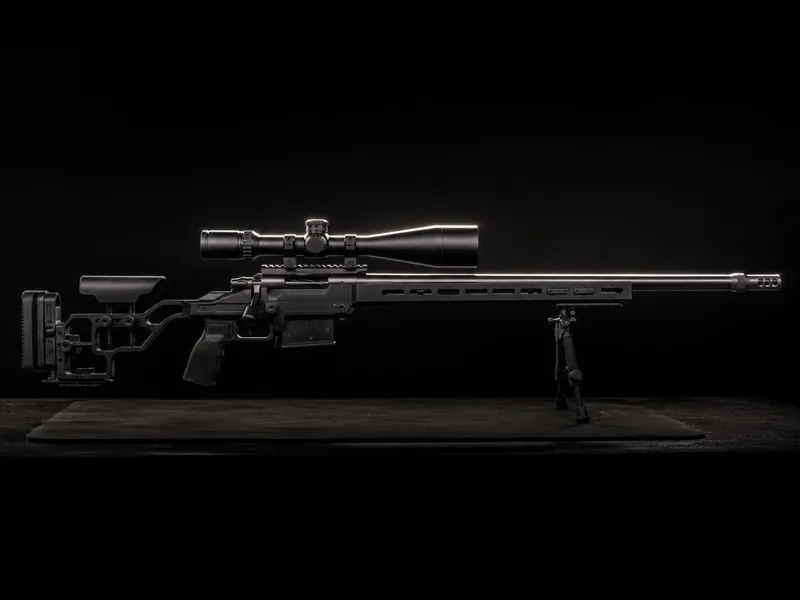
Chassis rifles, hunting crossovers and precision semi-autos, sorted by what they're for.
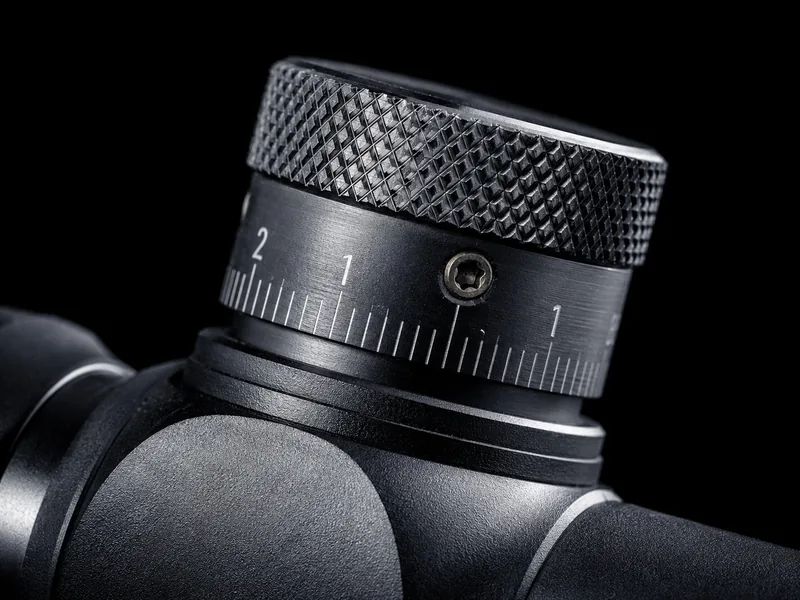
Magnification, tube size, ring height and the mounting mistakes that cost groups.
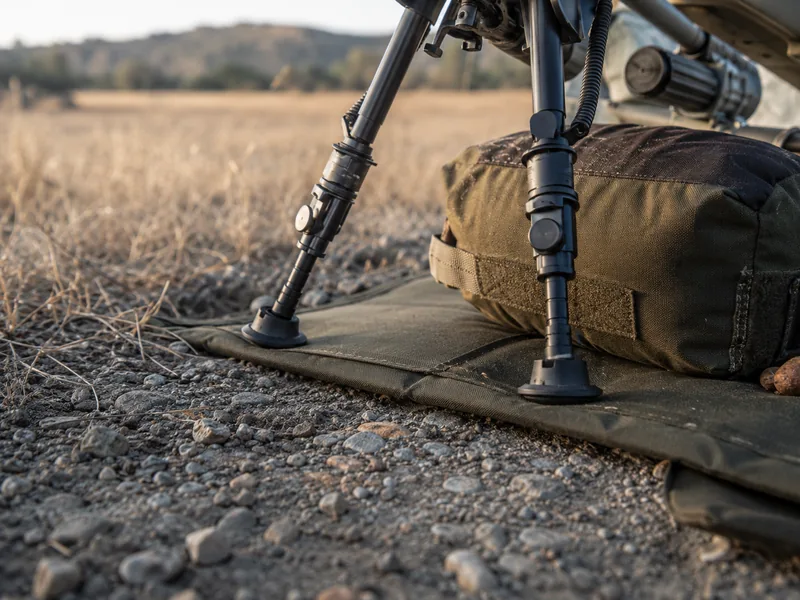
What actually holds the rifle still: bipods, rear bags, rests and shooting mats.
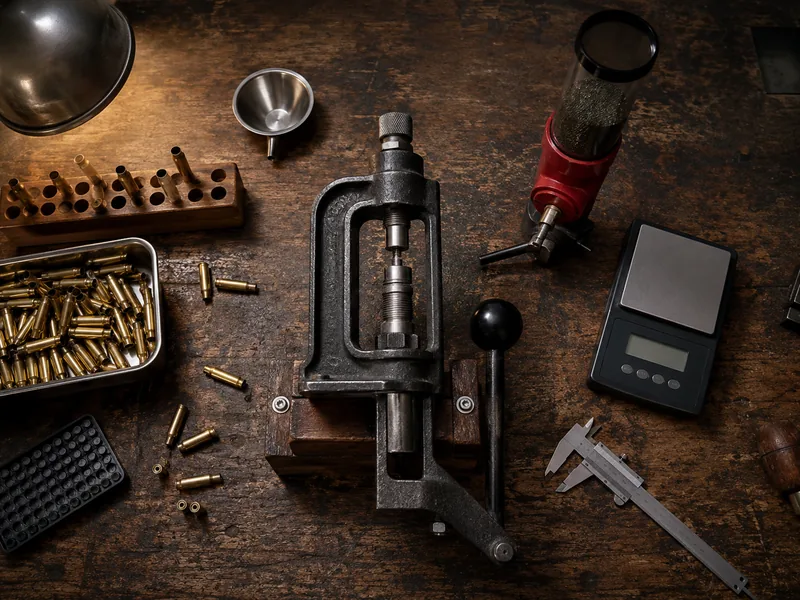
Where match-grade stops being something you buy and starts being something you build.
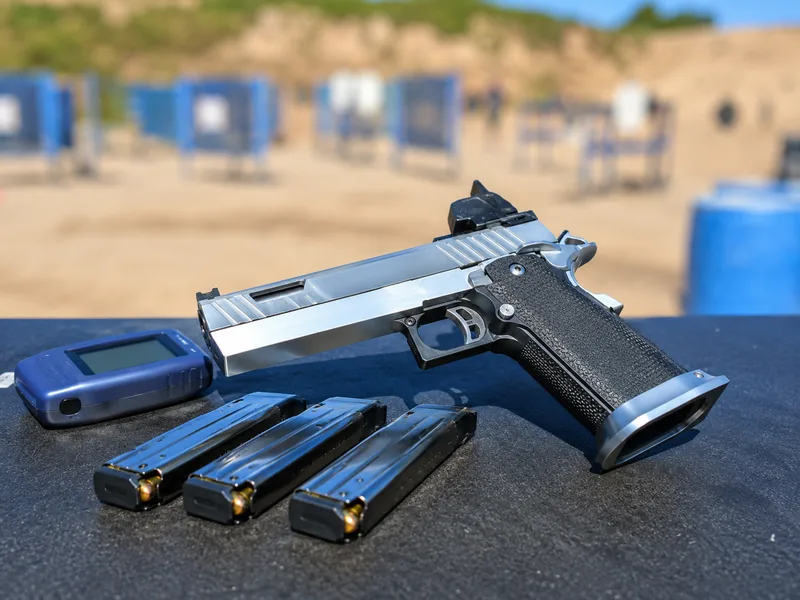
Match pistols for people shooting a timer, not carrying concealed.
There is no governing body, no certification, and no minimum standard. Any manufacturer may print the words on any box. What follows is what the term reliably indicates, and what it reliably does not.
Cases, primers, powder charges and bullets held to narrower limits than the same maker's range ammunition. That is the substance behind the phrase.
Lower shot-to-shot spread means less vertical dispersion at distance. This is where match ammunition earns its price, and it shows up past 600 yards more than at 100.
Match projectiles are made to tighter dimensional and concentricity limits, which is usually the single largest contributor to the difference.
No regulator defines the term and no one audits its use. Two boxes carrying the same words can be built to entirely different standards.
Rifles have preferences. A load that shoots superbly in one barrel can be ordinary in the next. Nothing on a box can promise otherwise — test it in your rifle.
Where this comes from. Ammunition Depot describes match grade the same way: tighter manufacturing tolerances and greater consistency, without a universal standard behind it. We link to their category pages throughout, and we never publish a price here — inventory and pricing move too fast to cache honestly.
Not a ranking. These are the reference points — the loads that other loads get compared to in their own marketing.
The default answer for a .308 shooting inside 800 yards, and the load most other 168-grain offerings get measured against.
Federal's match line in the cartridge that made 6.5 mm mainstream. Heavier for caliber, and the reason Creedmoor shooters argue less about wind.
The military long-range load. Worth knowing because it is the benchmark every 175-grain commercial .308 load is compared to.
Heavy-for-caliber .223 at a price that lets you actually practise. Check your twist rate before you buy — 1:9 is marginal at 69 grains.
Each one is the sensible answer to a different question. None of them is the answer to all four.
Carbon-wrapped barrel and an adjustable stock. The rifle people buy when they want HMR ergonomics without the HMR weight.
A 20-inch compact tactical rifle with a detachable magazine. Short, accurate, and the easiest of these to actually carry.
Adjustable trigger, adjustable stock, and a magnum-class Creedmoor for shooters who want more velocity than 6.5 CM gives them.
A folding chassis rifle at the point where precision rifles stop being a compromise. This is a considered purchase, not a first rifle.
Firearm transfers. Rifles ship to a licensed dealer for transfer where applicable, and availability varies by state. Confirm federal, state and local law before ordering. Nothing here asserts that a given rifle is lawful where you live.
Past a certain point, groups are decided by what the rifle is resting on, what you are looking through, and whether the scope is mounted properly.
Magnification you will actually use, tube diameter that matches your rings, and enough elevation travel to get to distance without a canted base.
Browse rifle scopesThe cheapest accuracy on this page. A stable rear bag changes groups more than most barrel upgrades, and costs a fraction as much.
Browse bipodsWhere you stop buying consistency and start producing it. Start with a single stage and good dies before anything else.
Browse dies